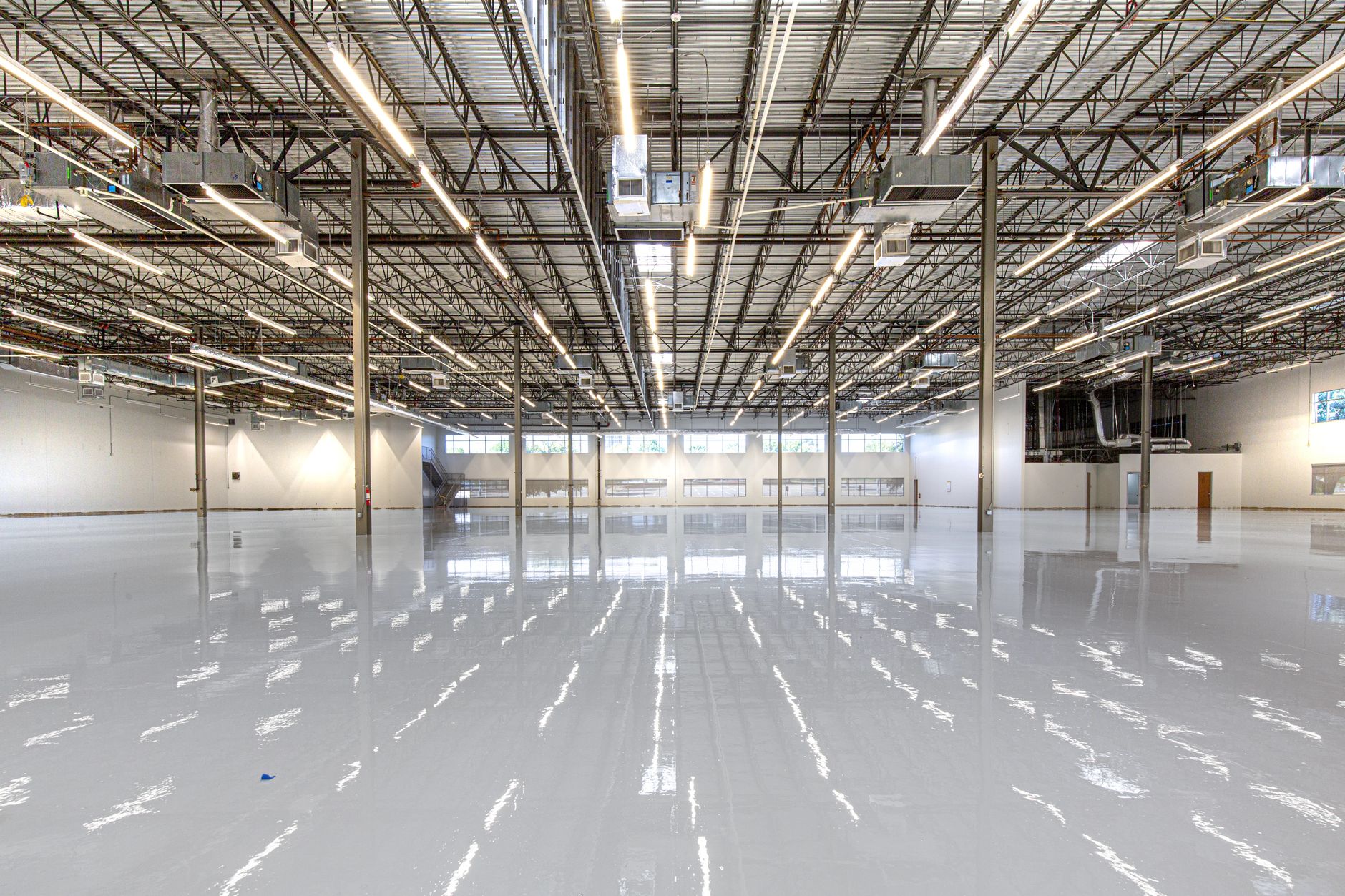
A professionally installed 100% solids epoxy garage floor lasts 15-20+ years in Wisconsin, Michigan, and Minnesota climates when properly maintained. Big-box store DIY kits, by contrast, typically peel and fail within 1-3 years due to thin water-based formulations and inadequate surface preparation. The difference comes down to material quality, climate-specific engineering, and professional-grade installation methods that create a bond strong enough to withstand Northwoods winters, road salt, and daily vehicle traffic.
How Long Does a Professional Epoxy Garage Floor Last?
Professional-grade epoxy systems using 100% solids formulations deliver 15-20+ years of performance, with many installations still performing flawlessly after two decades. Revolution Epoxy floors across Wisconsin, Michigan, and Minnesota routinely exceed 15 years without peeling, yellowing, or requiring major repairs. This longevity stands in stark contrast to water-based big-box kits that show failure signs—peeling edges, hot-tire pickup, UV yellowing—within the first 1-3 years.
The lifespan gap isn't a matter of minor differences. Professional systems resist the specific failure modes that destroy cheaper alternatives: delamination under thermal cycling, chemical attack from de-icers, and surface abrasion from studded snow tires. When you invest in Revolution Epoxy's premium epoxy systems, you're installing a floor engineered to outlast your vehicle's warranty by a decade or more.
100% Solids Epoxy vs. Water-Based Big-Box Kits
100% solids epoxy is pure resin and hardener with zero water or solvent fillers, creating a thick commercial-grade coating that cures at 10-20 mils (thousandths of an inch) in thickness. Water-based kits sold at big-box stores contain only 30-50% actual epoxy solids, diluted with water that evaporates during curing, leaving behind a thin 2-4 mil layer. That 5-10× thickness difference translates directly into durability—thicker coatings absorb impact, resist abrasion, and maintain their bond under the thermal expansion and contraction of Northwoods freeze-thaw cycles.
Thin coatings fail predictably under real-world garage conditions. Vehicle tires generate heat and mechanical stress that thin layers can't withstand, leading to hot-tire pickup where the coating literally sticks to your tires and pulls away from the concrete. Professional thickness handles these forces without compromise, maintaining a seamless surface year after year.
Key differences:
- Material density: 100% solids = zero shrinkage during cure; water-based = 50-70% volume loss as water evaporates
- Film thickness: Professional = 10-20 mils; DIY kits = 2-4 mils
- Chemical resistance: Commercial-grade resins resist gasoline, oil, antifreeze, and road salt; consumer formulas show staining and softening within months
- Cost per mil: Professional systems cost more upfront but deliver 8-12× the coating thickness per dollar over their lifespan
Northwoods Winter Impact on Epoxy Lifespan
Wisconsin, Michigan, and Minnesota winters accelerate epoxy floor failure through three mechanisms: road salt and calcium chloride de-icers chemically attack weak bonds, freeze-thaw cycles create substrate movement that inferior coatings can't flex with, and extreme temperature swings (-40°F overnight to 60°F+ in a heated garage) cause thermal expansion mismatches between coating and concrete. Professional systems are engineered specifically for these conditions, with chemical-resistant formulations and flexible cure profiles that handle -40°F to 140°F without cracking or delaminating.
Revolution Epoxy's climate-specific formulation accounts for the unique demands of serving Wisconsin, Michigan, and Minnesota garages. The coating remains flexible enough to move with concrete during freeze-thaw cycles while maintaining the hardness needed to resist studded tire abrasion and snowblower scrapes. Inferior systems become brittle in cold, leading to stress cracks, or soften in heat, causing tire marks and surface damage.
Salt and de-icer chemicals represent the most aggressive threat. When you track in salt-laden slush, it pools on the floor and concentrates as it evaporates, creating brine solutions that penetrate weak bonds and attack the concrete substrate. Water-based coatings lack the cross-linked density to resist this penetration, leading to osmotic blistering and edge peeling typically visible by the second winter season.
What Makes Epoxy Floors Fail Early?
Inadequate surface preparation causes 80% of premature epoxy failures, with moisture in the concrete, oil contamination, and skipped mechanical grinding topping the list. Professional installations require concrete moisture levels below 4% (measured with calcium chloride tests), a surface profile of CSP 2-3 per ICRI standards (achieved through diamond grinding, not just acid etching), and complete removal of oils, sealers, and contaminants. When these steps are skipped or rushed, even high-quality epoxy won't bond properly, leading to delamination within months regardless of coating thickness or formulation.
Other failure accelerators include UV exposure without a protective topcoat (causes yellowing and chalking in south-facing garages), applying epoxy over weak or damaged concrete (the coating is only as strong as its substrate), and installing during temperature extremes that prevent proper curing. The chemistry is unforgiving—epoxy requires 60-90°F ambient temperatures and controlled humidity during application and the first 24 hours of cure to achieve full cross-linking.
Common failure triggers:
- Concrete moisture above 4% creates bond-breaking vapor pressure
- Oil stains not fully removed prevent molecular adhesion
- Smooth concrete (not mechanically roughened) offers inadequate "tooth" for bonding
- Temperature below 50°F during installation slows curing and weakens final strength
- Direct sunlight exposure without UV-stable topcoat degrades resin within 3-5 years
Why DIY Epoxy Kits Peel Within 1-3 Years
Big-box store kits fail early because they combine thin water-based formulations with simplified instructions that skip critical preparation steps. Home Depot, Lowe's, and Menards kits typically include only an acid etch solution and basic cleaning instructions—no moisture testing, no diamond grinding equipment, no concrete profile verification. Homeowners apply these thin coatings (often with a roller, which introduces air bubbles and creates uneven thickness) over inadequately prepared concrete, creating a perfect storm for failure.
The most common complaint sequence follows a predictable pattern: edges peel first (usually starting at the garage door threshold where moisture and salt concentrate), followed by hot-tire pickup in summer months when garage temperatures exceed 100°F, and finally widespread delamination during the second winter as freeze-thaw cycles exploit weakened bonds. By year three, most DIY installations show enough deterioration that owners resort to either living with an ugly floor or hiring professionals to strip and redo the work properly.
Consumer-grade kits also lack proper topcoat systems. The thin epoxy layer is both the base and the wear surface, so every tire scrape, dropped tool, and dragged ladder damages the coating directly. Professional systems use a base epoxy layer for adhesion and chemical resistance, then add a polyaspartic or polyurethane topcoat engineered specifically for UV stability and abrasion resistance.
The Role of Surface Preparation in Longevity
Revolution Epoxy's surface preparation accounts for 80% of the final floor's bond strength, with the coating quality itself contributing the remaining 20%. The process begins with diamond grinding—mechanically cutting into the concrete surface with industrial grinders to open the pores and create a rough profile that epoxy can mechanically lock into. This method far surpasses acid etching alone, which only chemically cleans the surface without creating adequate profile depth.
After grinding, crews repair cracks with flexible epoxy fillers that move with seasonal concrete expansion, conduct moisture vapor testing to verify the substrate is dry enough for coating (below 3-4% moisture content per ASTM standards), and apply specialized degreasers to remove oil contamination at the molecular level—not just surface cleaning. This multi-step process takes professional crews several hours even on a two-car garage, time that DIY kits simply don't account for in their "weekend project" marketing.
Revolution Epoxy's 4-step prep process:
- Diamond grinding: Opens concrete pores to CSP 2-3 profile, removes existing sealers and weak surface layer
- Crack and spall repair: Flexible polyurea fillers prevent future crack telegraphing through coating
- Moisture testing: Calcium chloride tests verify substrate is below 4% moisture before coating
- Deep degreasing: Enzyme-based cleaners break down oil contamination that acid etching misses
The difference in bond strength is measurable. Properly prepared concrete achieves 400-500 PSI pull-off strength (the force required to rip the epoxy off the substrate), while acid-etched-only surfaces rarely exceed 150-200 PSI. In practical terms, this means professional installations can withstand the mechanical stress of vehicle traffic, dropped tools, and thermal movement that would cause weaker bonds to fail.
How to Extend Your Epoxy Floor's Lifespan to 20+ Years
Adding a UV-stable polyaspartic topcoat doubles your floor's UV resistance and extends lifespan by protecting the base epoxy from sunlight degradation—critical for garages with windows or south-facing doors. Place entrance mats at doorways to capture grit, sand, and de-icer salts before they abrade the floor surface, and clean spills immediately (gasoline, antifreeze, battery acid) with pH-neutral cleaners rather than letting them sit and potentially soften the coating. These simple habits, combined with professional-grade installation, routinely push epoxy floors past the 20-year mark with minimal visible wear.
Revolution Epoxy's slip-resistant vinyl flake and broadcast quartz finishes add both safety and durability. The textured surface from embedded flakes or quartz aggregate provides traction when you track in snow and ice, while simultaneously protecting the base epoxy from direct abrasion. Tires and foot traffic wear the sacrificial topcoat first, leaving the primary epoxy layer intact. This layered approach is why professional systems outlast DIY alternatives by a factor of 5-10×.
Regular maintenance doesn't require special products or expertise. The non-porous epoxy surface sheds dirt, oil, and stains that would soak into bare concrete, making cleaning faster and more effective. Unlike unsealed concrete that dusts, stains permanently, and cracks progressively, a properly installed epoxy floor actually reduces maintenance time while improving appearance year after year.
Maintenance Schedule for Maximum Durability
Weekly sweeping or blowing out loose debris prevents grit from acting as sandpaper under vehicle tires—simple but effective prevention that takes five minutes. Monthly mopping with pH-neutral floor cleaner (avoid acidic vinegar-based or ammonia products that can dull the finish) keeps the surface clean without degrading the coating chemistry. Annual inspections identify any chips or edge wear early, when touch-up repairs take minutes rather than requiring full recoating.
Every 10-15 years in high-traffic areas, consider a fresh topcoat application to renew the wear surface and restore the original gloss. This preventive refresh costs a fraction of full replacement and extends total floor life well past 20 years. Revolution Epoxy installations rarely need this service before year 12-15, and many floors still look showroom-fresh at two decades with nothing more than routine cleaning.
Maintenance timeline:
- Weekly: Sweep or blow out dirt, sand, and debris (5 minutes)
- Monthly: Mop with pH-neutral cleaner diluted per manufacturer specs (15 minutes)
- Seasonally: Inspect for chips, cracks, or wear patterns; address immediately if found
- Annually: Deep clean and apply any needed touch-ups to high-traffic zones
- 10-15 years: Optional topcoat refresh for renewed appearance and added protection
The contrast with bare concrete maintenance is dramatic. Unsealed concrete requires frequent scrubbing to remove oil stains (which never fully disappear), periodic re-sealing if you attempt to protect it, and eventual grinding or resurfacing as the surface deteriorates and dusts. Epoxy eliminates these tasks entirely—the floor stays clean with basic sweeping and mopping, never dusts, and maintains its appearance decade after decade.
When to Recoat vs. Replace Your Epoxy Floor
Recoating makes sense when the existing epoxy remains well-bonded but shows surface-level wear: light scratches from dragged equipment, minor UV fading in sunny spots, or isolated high-traffic patterns after 12-15 years. A light scuff-sand followed by fresh topcoat restores appearance and adds 5-10 years of life at 20-30% the cost of full replacement. This approach works only when the base layer adhesion remains strong—test by attempting to lift an edge with a putty knife; if it doesn't budge, recoating is viable.
Full replacement becomes necessary when you see widespread peeling (more than 10% of floor area), structural concrete cracks that have propagated through the coating, or deep gouges that expose the concrete substrate. At this point, the bond integrity is compromised throughout, and recoating over failing epoxy simply delays the inevitable while wasting money. Professional removal, concrete repair, and fresh installation deliver another 15-20+ year lifespan versus a few years of marginal improvement from recoating.
Revolution Epoxy floors installed with proper surface prep and 100% solids materials rarely require replacement within 20 years. The combination of thick coating, superior bond strength, and climate-appropriate formulation means most floors outlast the homeowner's tenure in the house. When our crews do replacement work, it's typically on competitor or DIY installations that failed early due to thin coatings or skipped prep steps—not on our own work.
Revolution Epoxy's Lifespan Advantage in Wisconsin, Michigan, and Minnesota
Revolution Epoxy's commercial-grade 100% solids formula combined with climate-specific engineering for Northwoods winters creates floors that routinely exceed 15-20 year lifespans across Wisconsin, Michigan, and Minnesota. Professional diamond-ground surface preparation ensures bond strength that withstands freeze-thaw cycles, salt exposure, and thermal extremes from -40°F January nights to 140°F summer garage heat. The 1-2 day installation timeline reflects efficient expertise, not shortcuts—crews complete proper prep, application, and curing protocols faster than DIY attempts because they've refined the process across thousands of installations.
Slip-resistant safety features aren't just about traction during icy months—the textured vinyl flake and broadcast quartz finishes also distribute vehicle weight and impact across the coating surface rather than concentrating stress on smooth epoxy. This mechanical advantage extends wear life while providing the confident footing you need when walking across a floor wet with snowmelt or summer humidity. The satisfaction guarantee backs this performance promise, giving you confidence that your investment will deliver the decades of durability you're paying for.
Whether you choose decorative vinyl flake for its textured showroom appearance, metallic finishes for unique depth and reflectivity, or broadcast quartz for maximum high-traffic durability, all Revolution Epoxy systems share the same commercial-grade foundation: 100% solids epoxy, professional surface prep, and climate-appropriate formulation. This consistency means you can select your finish based on aesthetics and traffic patterns without sacrificing the 15-20+ year lifespan that separates professional installations from big-box failures.
Get a free quote from Revolution Epoxy and transform your garage with a floor engineered to outlast everything else in the space—built for decades, not just seasons.
Frequently Asked Questions
How long does epoxy flooring last in a garage?
Professional-grade 100% solids epoxy garage floors last 15-20+ years with proper installation and maintenance. Big-box DIY kits typically peel within 1-3 years due to thin coatings and inadequate surface prep. Revolution Epoxy's commercial systems are engineered for Northwoods winters and deliver decades of durability against salt, chemicals, and freeze-thaw cycles.
Why do some epoxy floors peel after just a few years?
Epoxy floors peel early due to poor surface preparation, moisture in the concrete, thin water-based coatings, or skipped steps like diamond grinding. DIY kits from big-box stores often contain only 30-50% solids and apply too thin (2-4 mils), creating weak bonds that fail under tire traffic and thermal expansion. Professional systems use 100% solids formulas at 10-20 mils thickness with mechanical surface prep for long-lasting adhesion.
Does epoxy flooring work in cold climates like Wisconsin and Minnesota?
Yes, when properly formulated. Professional epoxy systems handle -40°F to 140°F temperature swings and resist salt, de-icers, and freeze-thaw cycles common in the Northwoods. Revolution Epoxy's climate-specific formulations are engineered for Wisconsin, Michigan, and Minnesota winters, delivering 15-20+ year lifespans even under harsh conditions. Inferior coatings crack and peel because they lack flexibility and chemical resistance.
What's the difference between 100% solids epoxy and water-based epoxy?
100% solids epoxy is pure resin and hardener with zero fillers, creating a thick (10-20 mils), commercial-grade coating that lasts 15-20+ years. Water-based epoxy from big-box stores contains 30-50% solids diluted with water, applying thin (2-4 mils) and bonding weakly. The thickness and purity of 100% solids systems deliver superior durability, chemical resistance, and performance under heavy traffic and Northwoods winters.
How do I maintain my epoxy garage floor to maximize its lifespan?
Sweep or blow out debris weekly, mop monthly with pH-neutral cleaner (avoid acidic or ammonia products), and clean chemical spills immediately. Place entrance mats to reduce grit abrasion from snow and salt. Inspect annually for chips and apply touch-ups if needed. With this routine, Revolution Epoxy floors easily reach 20+ years. A UV-stable polyaspartic topcoat doubles UV resistance and adds years to high-sun garages.
Can I recoat an old epoxy floor instead of replacing it?
Yes, if the existing epoxy is well-bonded with only surface scratches, light fading, or isolated wear after 12-15 years. A fresh topcoat or light recoat restores appearance and extends life. However, if you see widespread peeling, structural cracks, or deep substrate exposure, full removal and replacement is needed. Revolution Epoxy's professional installations rarely require replacement within 20 years due to superior prep and materials.
How long does it take for epoxy flooring to cure fully?
Professional epoxy floors are ready for light foot traffic in 24 hours and vehicle traffic in 48-72 hours. Full chemical cure takes 7 days, after which the floor reaches maximum hardness and chemical resistance. Revolution Epoxy installs most garage floors in 1-2 days, allowing you to park and use your garage quickly while the coating continues curing to its 15-20+ year lifespan potential.