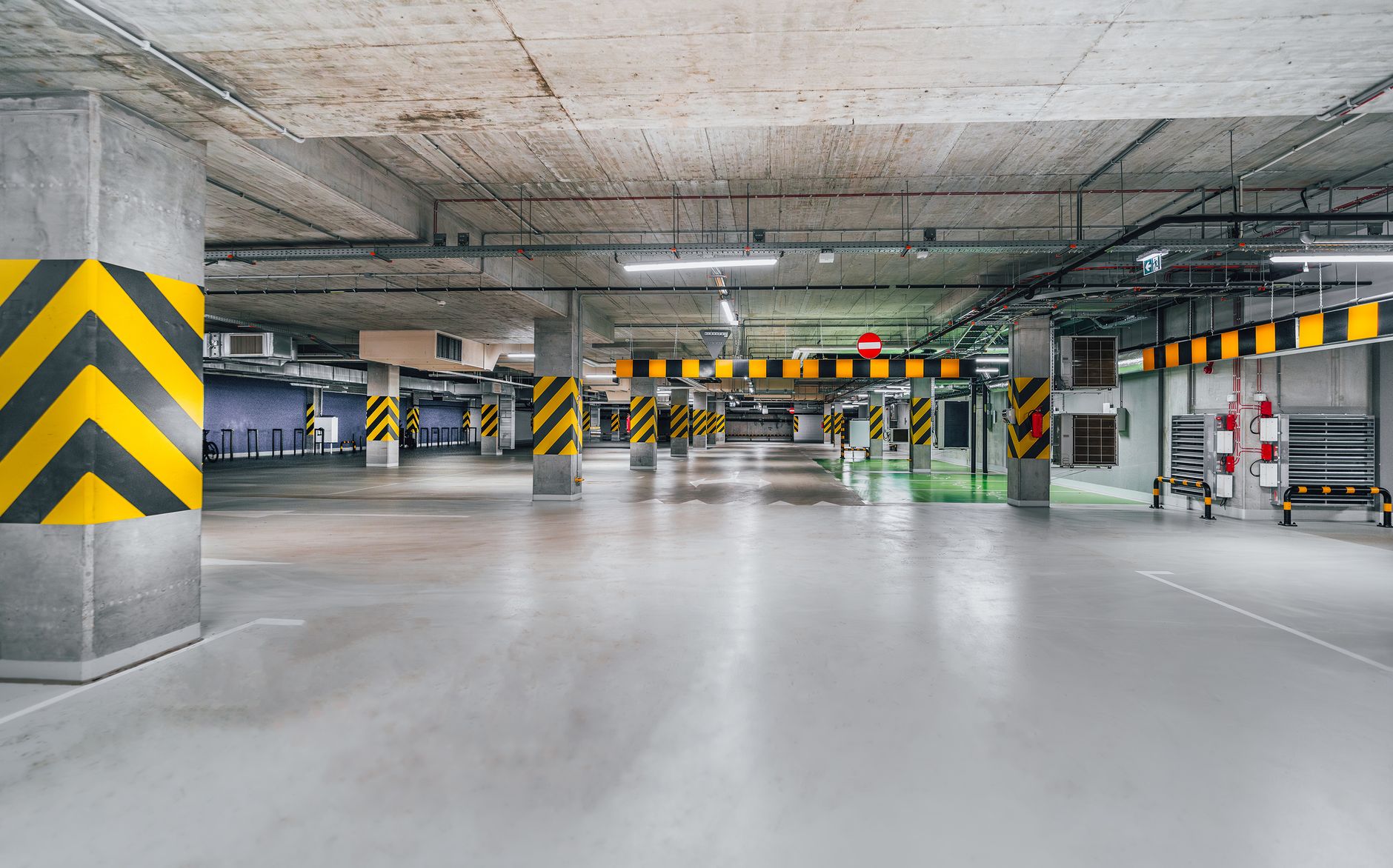
The best epoxy garage floor installers use commercial-grade 100% solids epoxy (not watered-down retail kits), complete diamond-ground surface preparation, and finish standard residential garages in 1-2 days. Professional contractors deliver systems engineered for your regional climate—in the Northwoods, that means resistance to road salt, freeze-thaw cycles, and temperature swings from -20°F to 90°F. You're not just hiring someone to spread coating; you're investing in a transformation that lasts 15-20+ years instead of failing within one winter.
What Separates Professional Epoxy Installers from DIY Kits?
Professional epoxy installers use 100% solids commercial-grade systems that create 3-5mm thick coatings lasting 15-20+ years, while big-box kits are 30-50% solids water-based coatings that fail within 1-3 years. The difference isn't marketing—it's chemistry and preparation. When you buy a $200 retail kit, you're getting a product engineered to sit on a shelf for months, not withstand decades of vehicle traffic, chemical exposure, and harsh winters.
Commercial-grade epoxy requires professional mixing ratios, climate-controlled application windows (50-90°F, <85% humidity), and curing conditions that most homeowners can't replicate. Revolution Epoxy's premium garage flooring systems exemplify this standard: every installation uses materials designed for commercial spaces, not consumer convenience.
Material Quality: 100% Solids vs. Water-Based Coatings
100% solids epoxy contains zero water or solvents—what you apply is what cures on your floor. This means maximum thickness per coat, superior adhesion to concrete, and zero shrinkage during the curing process. Professional 2-part systems require precise mixing ratios (often 2:1 or 3:1 by volume) within strict temperature ranges. Get the ratio wrong by 10%, and the entire floor can fail.
Water-based retail coatings start at 30-50% solids. The rest is carrier liquid that evaporates, leaving a thin film that scratches easily and delaminates under tire friction. These products exist because they're easy to ship, store at room temperature, and clean up with water—not because they perform. A professional installer wouldn't use them on a commercial project, so why accept them in your garage?
Surface Preparation: Diamond Grinding vs. Acid Etching
Diamond grinding opens concrete pores 10 times more effectively than the acid etching method included with DIY kits. Inadequate surface preparation causes 80% of epoxy coating failures, regardless of the product quality you pour on top. Professional contractors use walk-behind grinders with industrial diamond segments that remove the top layer of concrete, exposing fresh aggregate and creating a profile that mechanically locks the epoxy in place.
Acid etching—the method big-box kits recommend—only cleans the surface. It doesn't create the texture needed for proper adhesion. Revolution Epoxy's installation process includes:
- Diamond grinding to achieve the correct surface profile (CSP 2-3)
- Crack repair using flexible epoxy compounds that move with seasonal concrete expansion
- Primer coat that penetrates deep into the concrete substrate
- Color and topcoat layers applied at precise mil thickness for uniform coverage
This is why professional installations take 1-2 days instead of a weekend—the prep work alone requires specialized equipment and expertise most homeowners don't possess.
How Long Does Professional Epoxy Floor Installation Take?
Professional epoxy garage floor installation takes 1-2 days for a standard 2-car garage (400-600 square feet). Day one covers surface preparation, crack repair, and primer application. Day two involves the decorative color coat and protective topcoat. Contrast that with DIY timelines of 3-5 days due to learning curves, equipment rental coordination, and mistakes requiring re-coating.
Here's the typical professional timeline:
- Day 1, Hours 1-4: Diamond grind the entire floor, vacuum all dust, repair cracks and expansion joints
- Day 1, Hours 5-6: Apply penetrating primer coat, allow to tack (2-4 hours depending on temperature)
- Day 2, Hours 1-3: Broadcast vinyl flakes or apply metallic/quartz system over color coat
- Day 2, Hours 4-5: Apply clear topcoat with slip-resistant additives
After installation, the floor is ready for light foot traffic in 24 hours. Full vehicle traffic requires 7 days for complete chemical cure. Cooler temperatures extend this window—installers working in spring or fall may recommend 10-14 days before parking vehicles. Revolution Epoxy schedules projects to minimize disruption, often completing installations mid-week so homeowners have full weekend access.
What Questions Should You Ask Epoxy Floor Installers?
Vetting contractors requires specific questions about materials, processes, and warranties—vague answers indicate inexperience or inferior products. The gap between professional and amateur installers is enormous in this industry. Here are the 10 questions that separate qualified contractors from chancers:
- What solids percentage is your epoxy? Accept only "100% solids" as the answer. If they say "high-solids" or "professional-grade" without a number, they're using retail products.
- Do you diamond-grind or acid-etch? Only diamond grinding is acceptable. Acid etching means they're following DIY kit instructions.
- How do you handle moisture testing? Professional installers use calcium chloride tests or plastic sheet methods to verify concrete is dry enough for coating (typically <4 lbs per 1,000 sq ft per 24 hours).
- What's your warranty coverage? Look for 10-15 year warranties covering delamination, hot-tire pickup, and manufacturing defects. Warranties under 5 years suggest the installer lacks confidence.
- Are your installers certified or trained? Certifications from epoxy manufacturers (like Polyaspartic Institute or specific product lines) indicate formal training beyond YouTube tutorials.
- Do you offer slip-resistant topcoats? Broadcast flakes provide texture, but a dedicated slip-resistant clear coat adds critical safety—especially in climates where snow and ice get tracked inside.
- How do you handle temperature and humidity during application? They should refuse to install outside the 50-90°F and <85% humidity window. Contractors who say "we work year-round" are either heating the space properly or gambling with your money.
- Can you provide local references from the past 12 months? Recent projects in your climate zone prove the system holds up to regional conditions. A Wisconsin installer showing Florida projects tells you nothing about freeze-thaw performance.
- What's the cure time before vehicle traffic? The correct answer is 7 days minimum, with temperature-dependent extensions. Anyone promising "drive on it tomorrow" is using fast-cure products that sacrifice long-term durability.
- Is your epoxy engineered for winter climates? In the Northwoods, this question is non-negotiable. The system must resist road salt, calcium chloride, magnesium chloride, and freeze-thaw cycles.
Why Climate-Specific Epoxy Matters in the Northwoods
Northwoods winters in Wisconsin, Michigan, and Minnesota subject garage floors to road salt, freeze-thaw cycles, and temperature swings from -20°F to 90°F—conditions that destroy generic epoxy systems within one season. Road salt (calcium chloride and magnesium chloride) is hygroscopic, meaning it pulls moisture through cheap coatings and into the concrete substrate. Once water infiltrates, freeze-thaw cycles cause delamination that starts at the edges and spreads across the entire floor.
Professional epoxy engineered for cold climates includes:
- Chemical-resistant topcoats that repel chloride salts instead of absorbing them
- Flexible formulations that accommodate concrete expansion/contraction without cracking
- UV-stable resins that don't yellow under sunlight exposure from garage door openings
Generic epoxy sold nationally doesn't account for these regional demands. Revolution Epoxy formulates systems specifically for the Great Lakes climate, using data from thousands of installations across the upper Midwest. This isn't theoretical—it's proven performance across the harshest winters the region delivers.
How Much Do Professional Epoxy Garage Floors Cost in 2026?
Professional epoxy garage floor installation costs $6-12 per square foot for decorative vinyl flake systems, $8-15 for metallic finishes, and $10-18 for broadcast quartz. A standard 2-car garage (500 square feet) ranges from $3,000 to $9,000 depending on the coating system, concrete condition, and custom color options. This pricing includes surface preparation, commercial-grade materials, labor, and warranty coverage.
Compare that to DIY material costs of $2-4 per square foot. Sounds cheaper—until you add equipment rental ($200-400 for a quality grinder and vacuum), re-do costs when it fails (50% of DIY epoxy jobs fail within the first year), and 20-30 hours of your time. Professional installation eliminates these hidden costs and delivers a finish you can't replicate with retail products.
What's included in professional pricing:
- Diamond grinding and dust extraction
- Crack repair with flexible epoxy compounds
- Moisture testing and surface profile verification
- Commercial-grade 100% solids epoxy (primer, color coat, topcoat)
- Vinyl flakes, metallic pigments, or broadcast quartz aggregates
- Slip-resistant additives in the final clear coat
- 10-15 year warranty coverage
- Cleanup and disposal of all materials
What Affects the Final Price of Epoxy Installation?
The final cost of professional epoxy installation varies based on garage size, concrete condition, coating system, and geographic location. Larger garages benefit from economies of scale—pricing per square foot drops above 600 square feet because setup and mobilization costs spread across more area. A 1,000-square-foot garage might cost $7 per square foot where a 300-square-foot space costs $10 per square foot.
Concrete condition significantly impacts pricing. Extensive cracking, spalling, or previous coating removal adds $1-2 per square foot in prep costs. Floors with oil stains require degreasing treatments. Uneven concrete may need grinding to level high spots before coating.
Coating system choices drive the aesthetic and durability outcome:
- Vinyl flake systems ($6-12/sq ft): Most popular for residential garages. Slip-resistant texture hides imperfections. 40+ color combinations from subtle earth tones to bold contrasts.
- Metallic epoxy ($8-15/sq ft): High-end reflective finish with unique depth and swirl patterns. Each floor is one-of-a-kind due to hand-troweled application techniques.
- Broadcast quartz ($10-18/sq ft): Stone-like appearance with the highest abrasion resistance. Ideal for workshops, high-traffic garages, or spaces with heavy equipment.
Geographic factors include travel distance (urban vs. rural access), local labor rates, and seasonal demand. Winter months often see discounted pricing because installation volume drops—though you'll need climate-controlled conditions to proceed.
Get a free quote from Revolution Epoxy with transparent line-item pricing. No pressure tactics, no hidden fees, no surprises.
What Are the Three Main Types of Professional Epoxy Flooring?
Professional epoxy flooring systems fall into three categories: decorative vinyl flake, metallic epoxy, and broadcast quartz—each engineered for different performance and aesthetic outcomes. The choice depends on how you use your garage, your aesthetic preferences, and your budget. All three use commercial-grade 100% solids epoxy as the foundation, differing primarily in the decorative layer and topcoat formulation.
Decorative vinyl flake is the most popular system for residential garages. Installers broadcast colored vinyl chips onto the wet base coat, creating a textured, slip-resistant surface that hides minor concrete imperfections. Available in 40+ color combinations ranging from subtle blends (gray/white/black) to bold contrasts (blue/orange, red/black). The flakes also add impact resistance—dropped tools are less likely to chip the coating compared to solid-color systems. Typical thickness: 10-20 mils (0.010-0.020 inches).
Metallic epoxy creates high-end reflective finishes with unique depth and movement. Installers mix metallic pigments into the epoxy and use specialized troweling techniques to create swirls, waves, or marbled effects. Light reflects off the metallic particles differently at various angles, producing a 3D appearance that photographs can't fully capture. Each floor is one-of-a-kind because the patterns can't be exactly replicated. Best suited for show garages, man caves, or spaces where aesthetics matter more than heavy-duty abrasion resistance. Typical thickness: 15-30 mils.
Broadcast quartz delivers a stone-like finish with the highest abrasion resistance of any epoxy system. Installers broadcast colored quartz sand to 100% coverage over the base coat, creating a textured surface harder than the concrete beneath it (Mohs hardness 7). The result looks like terrazzo or natural stone. This system excels in commercial environments, workshops with frequent equipment movement, or garages that see heavy vehicle rotation. The quartz layer also provides excellent UV stability—colors don't fade even in garages with significant sun exposure. Typical thickness: 30-60 mils.
Which Epoxy System Is Best for High-Traffic Garages?
Broadcast quartz is the most durable option for high-traffic garages with heavy equipment, frequent vehicle changes, or workshop use. The quartz aggregate creates a surface harder than the concrete substrate, preventing wear patterns even under daily abuse from rolling toolboxes, jack stands, and tire friction. Chemical resistance is exceptional—brake fluid, transmission fluid, battery acid, and antifreeze wipe clean without staining.
Vinyl flake systems work well for standard residential garages where you park 1-2 vehicles daily. The textured surface hides dirt and tire marks better than solid colors, and slip resistance is superior when you're tracking in snow or rain. The flakes also forgive minor concrete imperfections that would show through solid metallic finishes.
Metallic epoxy is best reserved for show garages, collector car storage, or spaces that prioritize aesthetics over heavy-duty use. While still far more durable than retail coatings, the smooth finish shows scuffs more readily than textured systems. Think of metallic as the "sports car" of garage flooring—stunning to look at, capable of daily driving, but not the choice for hauling gravel or towing construction equipment.
How Do You Verify an Installer's Work Quality?
Verify epoxy installer quality by requesting portfolios of recent local projects, written warranties, proof of insurance, and references from the past 12 months. The flooring industry attracts fly-by-night operators because startup costs are low and homeowners struggle to differentiate quality until it's too late. Here's how to separate professionals from amateurs before signing a contract.
Request a portfolio showing surface preparation stages, not just finished floors. Anyone can photograph a shiny new coating. Professionals document the diamond grinding process, crack repairs, and primer application because these steps prove their process quality. Ask to see before/after sequences from garages in your region—a Michigan installer should have Wisconsin winter performance data if they're claiming climate expertise.
References from the past 12 months matter more than 5-year-old testimonials. Contact at least three recent customers and ask specific questions: Did the installer show up on schedule? How has the floor held up to road salt and winter conditions? Were there any issues with curing or odor? Would you hire them again? A reputable installer provides contact information willingly. Hesitation indicates problems.
Written warranty documents should specify coverage period (10-15 years for professional systems), what's included (delamination, hot-tire pickup, manufacturing defects), and exclusions (typically chemical spills, concrete substrate failure, or damage from sharp impacts). Warranties under 5 years suggest the installer lacks confidence in materials or workmanship. Verify the warranty is transferable if you sell your home—this adds resale value.
Proof of liability insurance and workers' compensation protects you if someone gets injured on your property during installation. Request certificates of insurance showing coverage limits of at least $1 million general liability. Unlicensed contractors operating without insurance shift all risk to you.
Before/after photos showing all preparation stages demonstrate process competence. Look for images of diamond-ground floors (they should appear uniformly textured and light gray), primer application (thin, even coverage), and progressive coating layers. Installers who only photograph finished floors may be hiding prep shortcuts.
Red flags that indicate unqualified installers:
- Prices 40%+ below market average (suggests inferior materials or skipped prep steps)
- Inability to specify epoxy solids percentage or manufacturer
- Vague answers about surface preparation methods ("we prepare it properly")
- Pressure tactics or same-day signing discounts
- No local references or portfolio from your climate zone
- Offering installation during temperature extremes (below 50°F or above 90°F)
Why Revolution Epoxy Is the Northwoods Standard for Garage Floors
Revolution Epoxy sets the Northwoods standard by combining commercial-grade 100% solids systems, climate-specific engineering for Wisconsin/Michigan/Minnesota winters, and 1-2 day installation timelines with satisfaction guarantees. We don't sell floor coatings—we deliver showroom transformations that hold up to real-world abuse. Road salt, freeze-thaw cycles, temperature extremes, and the daily punishment of vehicle traffic don't phase our systems because they're engineered specifically for these conditions.
Our installation process eliminates the guesswork and failures that plague DIY projects:
- Commercial-grade materials only: 100% solids epoxy used in retail spaces, warehouses, and industrial facilities
- Diamond grinding surface prep: Every floor gets proper mechanical profile for maximum adhesion
- Climate-tested formulations: Systems proven across thousands of upper Midwest installations
- Slip-resistant safety features: Textured flakes and clear coats that maintain traction when wet
- Fast turnaround: From concrete to showroom in 1-2 days
- Satisfaction guarantee: We stand behind our work with comprehensive warranties
Whether you choose our popular vinyl flake system (40+ color combinations), premium metallic finishes (unique depth and reflective beauty), or broadcast quartz durability (stone-like, commercial-grade toughness), you're getting a floor engineered to last 15-20+ years in Northwoods conditions.
Explore Revolution Epoxy's latest projects to see the dramatic transformations we deliver across Wisconsin, Michigan, and Minnesota. From oil-stained concrete to head-turning showroom floors in 48 hours—that's the Revolution Epoxy difference.
Frequently Asked Questions
How much does it cost to have a professional install an epoxy garage floor?
Professional epoxy garage floor installation typically costs $6-12 per square foot for decorative vinyl flake systems, $8-15 for metallic finishes, and $10-18 for broadcast quartz. A standard 2-car garage (400-600 sq ft) ranges from $2,400 to $7,200 depending on the coating system, concrete condition, and regional labor rates. This price includes surface preparation (diamond grinding), crack repair, commercial-grade 100% solids epoxy, and warranty coverage. Revolution Epoxy provides free quotes with transparent line-item pricing across Wisconsin, Michigan, and Minnesota.
How long does professional epoxy flooring installation take?
Professional epoxy garage floor installation takes 1-2 days for a standard residential garage. Day one involves surface preparation (diamond grinding, crack repair) and primer application. Day two includes the color coat and protective topcoat. After installation, the floor is ready for light foot traffic in 24 hours and full vehicle traffic in 7 days. This timeline assumes proper temperature and humidity conditions (50-90°F, <85% humidity). Revolution Epoxy's streamlined process minimizes disruption while ensuring proper cure times for maximum durability.
What is the difference between commercial-grade epoxy and big-box store kits?
Commercial-grade epoxy used by professional installers contains 100% solids with zero water or solvents, creating a 3-5mm thick coating that lasts 15-20+ years. Big-box retail kits are typically 30-50% solids water-based coatings that thin during curing, resulting in a fragile layer that fails within 1-3 years. Professional systems also require diamond grinding for surface prep (10x more effective than acid etching) and use 2-part formulations with precise mixing ratios. Revolution Epoxy uses only commercial-grade 100% solids systems engineered to withstand Northwoods winters, road salt, and freeze-thaw cycles.
Will epoxy flooring hold up to winter road salt and de-icers?
High-quality professional epoxy flooring is highly resistant to road salt, calcium chloride, and magnesium chloride de-icers when properly formulated and applied. Commercial-grade 100% solids epoxy creates a chemical-resistant barrier that prevents moisture infiltration and salt damage. However, cheap water-based coatings from retail stores often delaminate or discolor within one winter season. Revolution Epoxy engineers its systems specifically for harsh Northwoods climates in Wisconsin, Michigan, and Minnesota, using formulations proven to withstand freeze-thaw cycles and continuous salt exposure without degradation.
How do I know if an epoxy installer is reputable?
Vet epoxy installers by asking for: local project references from the past 12 months, portfolio photos showing surface preparation stages, written warranty details (coverage period and exclusions), proof of liability insurance and workers' compensation, and specific material specifications (100% solids epoxy vs. water-based coatings). Red flags include pressure tactics, prices 40% below market average, vague answers about surface prep methods, and inability to provide local references. Reputable installers like Revolution Epoxy offer transparent pricing, detailed material specs, satisfaction guarantees, and a proven track record across the Northwoods region.
What is the best epoxy coating for a residential garage?
Decorative vinyl flake epoxy is the most popular choice for residential garages, offering slip-resistant texture, 40+ color combinations, and excellent ability to hide minor concrete imperfections. It provides a balance of durability, aesthetics, and value at $6-12 per square foot. For high-end aesthetic projects, metallic epoxy creates unique reflective patterns with depth and swirl effects. For garages with heavy equipment or workshop use, broadcast quartz offers the highest abrasion resistance with a stone-like finish. Revolution Epoxy installs all three systems using commercial-grade 100% solids epoxy engineered for Northwoods climate conditions.
Can I drive on epoxy flooring right after installation?
No, epoxy flooring requires proper cure time before vehicle traffic. Professional installations are ready for light foot traffic after 24 hours but need 7 days to fully cure before allowing vehicles, heavy equipment, or jack stands. Driving on epoxy before full cure can cause permanent indentations, adhesion failure, or surface damage. Cure times depend on temperature and humidity—cooler conditions (below 60°F) extend curing. Revolution Epoxy schedules installations to minimize disruption and provides clear guidance on cure times based on seasonal conditions in Wisconsin, Michigan, and Minnesota.